Coffee
 Lemon
Lemon
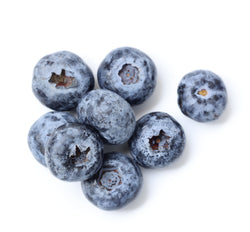 Blueberry
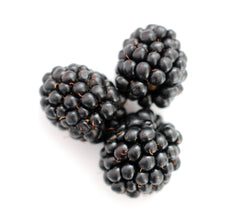 Blackberry
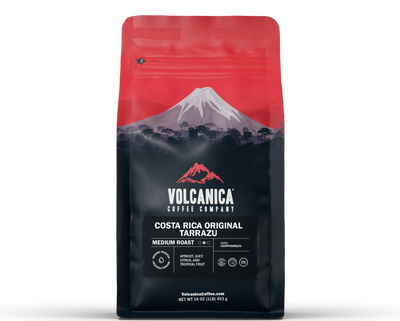
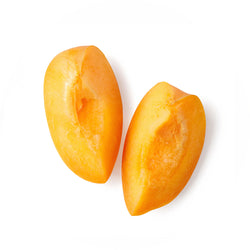 Apricot
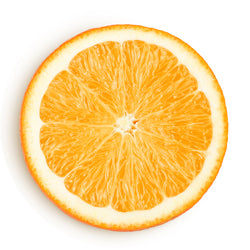 Citrus
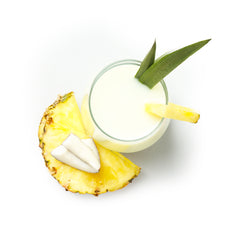 Tropical
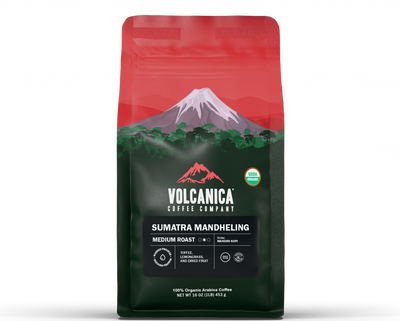
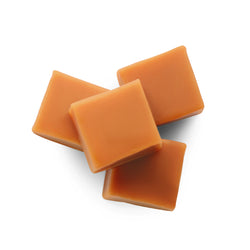 Toffee
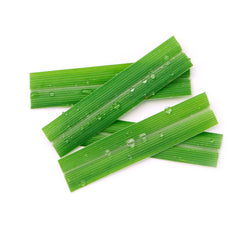 Lemongrass
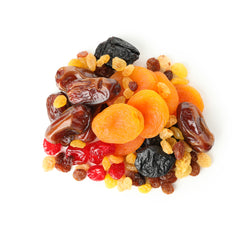 Dried Fruits
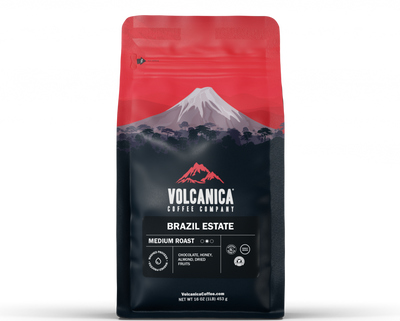
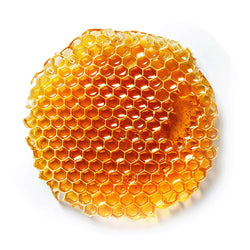 Honey
Honey
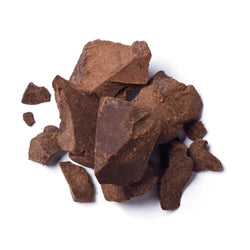 Chocolate
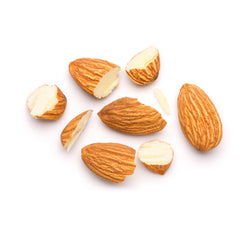 Almond
Dried Fruits
Almond
Dried Fruits
Top Selling Products

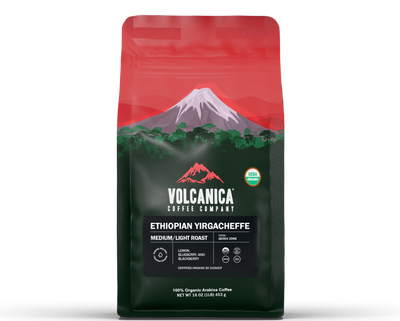
Ethiopian Yirgacheffe Coffee - USDA Organic
Lemon
Blueberry
Blackberry
Roast
$
22
99
Ethiopian Yirgacheffe Coffee - USDA Organic
 Lemon
Lemon
Roast
$
22
99
Ethiopian Yirgacheffe Coffee is a unique USDA organic coffee with a complex origin and truly exotic flavor with pleasant acidity. Yirgacheffe is a coffee region in southern Ethiopia that produces distinctively floral and fruit-toned coffees from traditional varieties of Arabica long grown in the region from wild coffee trees.
 Blueberry
 Blackberry

Costa Rica Coffee, Original, Tarrazu
Apricot
Citrus
Tropical
Roast
$
19
99
Costa Rica Coffee, Original, Tarrazu
 Apricot
Roast
$
19
99
Costa Rica Coffee is grown at high altitudes on volcanic soil, where the cherries ripen more slowly, which gives it a rich and hearty flavor. This single-origin Tarrazu Estate Costa Rica Coffee, known as one of the finest in the world, is master roasted to medium color to preserve the naturally full, elegant, and rich flavors.
 Citrus
 Tropical

Sumatra Mandheling Coffee, USDA Organic
Toffee
Lemongrass
Dried Fruits
Roast
$
21
99
Sumatra Mandheling Coffee, USDA Organic
 Toffee
Roast
$
21
99
Sumatra Mandheling Coffee is a rare Indonesian coffee that is delightfully smooth with a rich, heavy body, low acidity, exotic flavor with an intense syrupy aftertaste, and earthy richness. Rated a low acid coffee due to the lower acidity.
 Lemongrass
 Dried Fruits

Brazil Coffee
Honey
Chocolate
Almond
Dried Fruits
Roast
$
21
99
Brazil Coffee
 Honey
Honey
Roast
$
21
99
Brazil Coffee is an estate coffee from the Minas Gerais region. It has an amazing taste with hints of sweetness, chocolate notes, balanced acidity, and a pleasantly clean taste.
 Chocolate
 Almond
Dried Fruits
Almond
Dried Fruits
Coffee
Top Selling Products
Ethiopian Yirgacheffe Coffee - USDA Organic
Lemon
Blueberry
Blackberry
Roast
$
22
99
Ethiopian Yirgacheffe Coffee - USDA Organic
Lemon
Roast
$
22
99
Ethiopian Yirgacheffe Coffee is a unique USDA organic coffee with a complex origin and truly exotic flavor with pleasant acidity. Yirgacheffe is a coffee region in southern Ethiopia that produces distinctively floral and fruit-toned coffees from traditional varieties of Arabica long grown in the region from wild coffee trees.
Blueberry
Blackberry
Costa Rica Coffee, Original, Tarrazu
Apricot
Citrus
Tropical
Roast
$
19
99
Costa Rica Coffee, Original, Tarrazu
Apricot
Roast
$
19
99
Costa Rica Coffee is grown at high altitudes on volcanic soil, where the cherries ripen more slowly, which gives it a rich and hearty flavor. This single-origin Tarrazu Estate Costa Rica Coffee, known as one of the finest in the world, is master roasted to medium color to preserve the naturally full, elegant, and rich flavors.
Citrus
Tropical
Sumatra Mandheling Coffee, USDA Organic
Toffee
Lemongrass
Dried Fruits
Roast
$
21
99
Sumatra Mandheling Coffee, USDA Organic
Toffee
Roast
$
21
99
Sumatra Mandheling Coffee is a rare Indonesian coffee that is delightfully smooth with a rich, heavy body, low acidity, exotic flavor with an intense syrupy aftertaste, and earthy richness. Rated a low acid coffee due to the lower acidity.
Lemongrass
Dried Fruits
Brazil Coffee
Honey
Chocolate
Almond
Dried Fruits
Roast
$
21
99
Brazil Coffee
Honey
Roast
$
21
99
Brazil Coffee is an estate coffee from the Minas Gerais region. It has an amazing taste with hints of sweetness, chocolate notes, balanced acidity, and a pleasantly clean taste.
Chocolate
Almond
Dried Fruits